
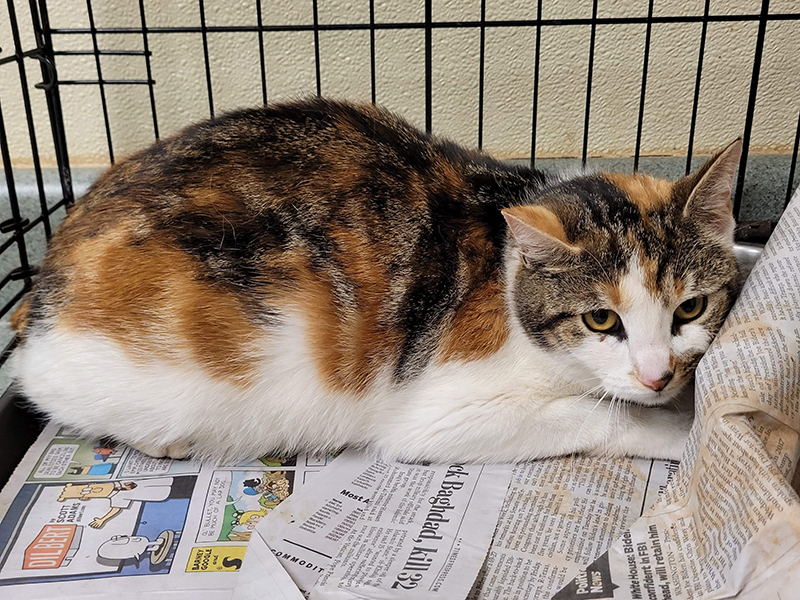
The Gilmer County Animal Shelter and its “friends of” group (FOGAS) are partnering for a first-time program that’s hoped to reduce an overpopulation of feral cats in the county.
Animal shelter staff will soon begin humanely trapping feral cats at the request of local residents. FOGAS has arranged for 40 of the trapped cats to be spayed or neutered by Dr. Crag Chester, of Jasper’s Animal Medical Clinic.
Daniel Laukka, Gilmer Animal Shelter director, said FOGAS members are currently compiling a list of feral cats and their locations.
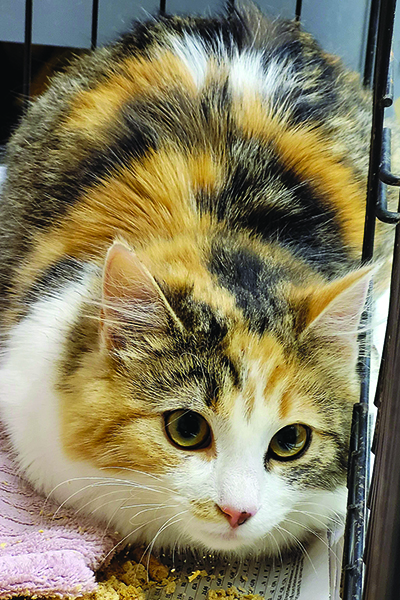 “They will give me the list of people who have called and need feral cats trapped. I’m going to go set traps with my animal control officer, and we’re going to bring the cats back to the shelter. That way, I can bring them to Dr. Chester the morning he’s doing the surgeries,” he added.
The procedures will be done Friday, May 28, and trapping will begin two weeks prior to that date, Laukka said.
“In the (spay-neuter) clinics FOGAS has done in the past, people have asked about bringing feral cats in and they’ve agreed to it. Whether or not they were able to catch the cat was the biggest problem. The cat’s not always agreeable,” Laukka said.
FOGAS will sponsor 100 percent of the spay-neuter costs.
“It’s not going to cost the public anything. The only thing we ask is if the cats are comfortable there and not in any danger, that we can release them back where we caught them two to three days after the surgery,” Laukka said.
The target number of the first round of cats to be treated is 40, but Laukka said it’s OK if the compiled list is longer.
“If we end up with more people who call and we have more than 40, that will still give us an idea. We may have 70 to catch, but we may only be able to catch 35. I know not everybody will accept the cats back, but we’re willing to make the sacrifice of having to take care of 20 ferals if we can get 40 fixed,” he said. “If we have good success with (this program), it’s something we’re going to try to do on a yearly or maybe twice a year basis.”
Laukka said feral cats sometimes become farm cats and, if taken in as kittens, there’s a chance they can be tamed. He gave some tips on how to tell a true outdoor feral cat from a domesticated stray or a traveling cat that’s already someone’s pet.
“If they’re able to handle the cat at all, it’s not a feral. A feral cat would be a cat that you see, but, if it sees you, it runs away. You might be able to put some food out on the porch and it will come up to eat, but it takes off the moment it sees you. There are semi-ferals or scared cats that might let you watch them from 10 feet away and, if you get closer, they may run a few feet. A true feral is going to run away and probably not turn back,” he explained.
Feral cats that have been fixed are often “ear-tipped” by a vet, Laukka noted.
“That makes it easier to recognize that the cat has been fixed. They cut the very tip of the ear off. It’s just a little section up top where the tip is flat. That’s something Dr. Chester will do for us when the (feral cats) have their surgery,” he added.
Laukka said the number of cats up for adoption at the shelter is very low right now, which will allow the trapped ferals to be kept till they’re fixed. Some that aren’t released back to where they were caught may be kept after that.
“We only have 10 cats right now. Cat and kitten season usually doesn’t start till April, May and June. From November till about now, the rescues we work with have been taking most of the adoptable ones, Laukka said.
The feral cat trap and release program is for Gilmer County residents only. Callers will need to provide the following information: Name, phone number, address, total number of cats to be caught, number of friendly cats and whether or not you want the cats to be returned after being spayed or neutered.
Requests can be made by emailing or calling FOGAS members Ernie Taylor: ectaylor37@gmail.com, 810-623-2214; or SylviaHarris: Sylvia@comcast.net, 609-442-5557. Calls should be made only between noon and 7 p.m. The animal shelter will call back to schedule trap placement.
Taylor said there will be a need for new homes for the outdoor cats that people don’t want returned.
“They will be fully vetted,” he added.