
Habitat helps determine where trout will live
From a trout’s perspective, some Gilmer County streams resemble empty pavement.
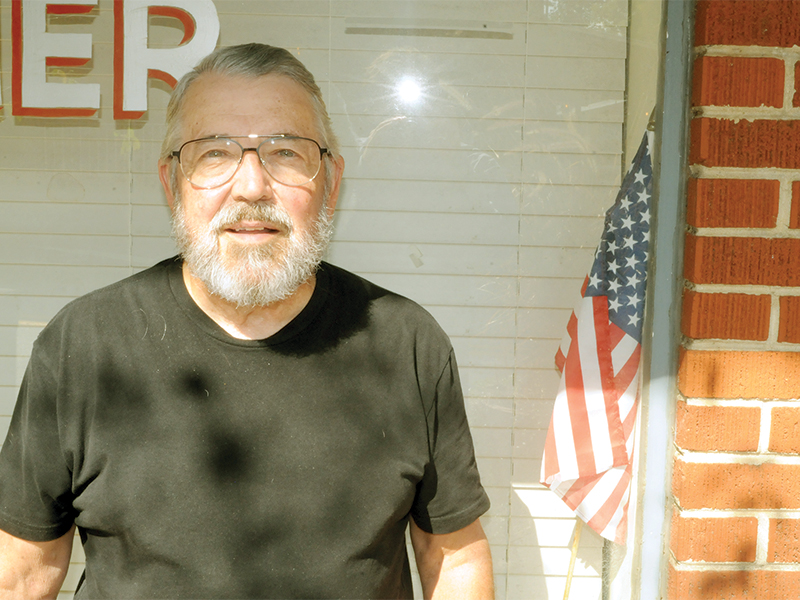
“If you want to stay there, you can, but you’re going to go,” Dr. Steve Jones, a former Clemson University professor with expertise in ecology and years of river restoration experience said.
In water hotter than 67 degrees, trout do badly.
Fixing the cold water bypasses on local dams could solve the warm water problem. But even now, there are some Gilmer streams that have water that’s cool enough for trout to thrive.
“The problem is we have a big history of these streams or rivers being heavily disturbed,” Dr. Jones said.
The other problem limiting Gilmer County trout fishing is habitat, he said.
Many of Gilmer’s streams are very far from being pristine waters, Dr. Jones said.
In the last 100 years, people have made major changes to Gilmer’s waterways, he said.
In the valleys, people changed the course of rivers away from their original beds. Logging removed forests, which in turn affected the quality of the rivers.
All these changes impacted the quality of river trout habitats, he said.
“These mountains were logged heavily,” Dr. Jones said. “There’s no habitat in those creeks for trout.”
For instance, the Toccoa River was once three times as narrow as it is now. When human activity widened it, its depth greatly decreased. In shallow waters, trout can no longer hide from bears and other predators.
“Except for the National Forest, I’d bet you 95 percent of the creeks have been messed with one way or another,” Dr. Jones said.
Restoring rivers into places where fish can thrive is a difficult and expensive process, he said. It’s easy to accidentally make things worse, he said.
Finally, trout don’t just appear into suitable streams.
The government would have to stock trout in the rivers.
“Unless the state puts them in, they’re not going to come back from anywhere,” Dr. Jones said.
If Gilmer undertook the projects necessary to improve the habitats, it would mostly improve habitats on private lands, he added.
Fish will go where locals feed them and create habitats for them.
“All the revenue from fish, it’s all on private lands,” Dr. Jones said.