
May 11 is 10th anniversary of alleged sexual assault
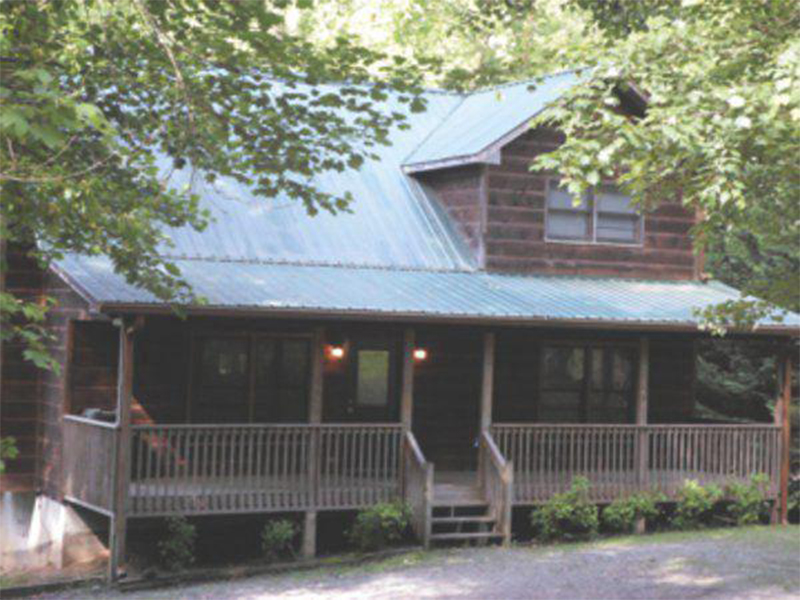
An investigation into alleged sexual crimes against a female high school student by three of her fellow male students began 10 years ago on May 11, 2014, the day after an overnight drinking party in Gilmer County’s Coosawattee River Resort. The party, unsupervised by adults, was planned by some Calhoun High students to take place after the school’s prom on May 10, and was attended by more than two dozen students and some other young people who drove to the residential resort where another female student’s parents owned a cabin.
Sheriff Stacy Nicholson said at the time there was enough alcohol at the party “to float a canoe down the Coosawattee River.”
Fields Chapman, Andrew Haynes and Avery Johnson, all 18 at the time and student-athletes at Calhoun High, were charged with multiple counts of sexual battery, sodomy and public indecency. Chapman was also charged with illegally transmitting digital images. The case has still not been adjudicated, but is “moving forward” since new district attorney for the Appalachian Judicial Circuit, Frank Wood, was sworn in earlier this year. Former district attorney Alison Sosebee is now a Superior Court judge in the district.
In October 2014 a male witness who was in the upstairs bedroom where authorities say the assault occurred testified in court that the sex was consensual and that the alleged victim was awake and alert. The accuser told detectives early in the investigation she was passed out and did not know who assaulted her; she went to a clinic for a rape kit test the day after the party, but investigators did not have enough evidence to charge the three with rape, according to reports.
Steve Williams, a Dalton attorney who represents Haynes, said last week there have been “discussions” by defendants’ counsels and the state within the last two weeks.
“I don’t know if that means anything, but that’s the first time there’s been discussions since about 2014,” he recalled. “We’re really waiting for the state to reach some conclusions about some things, and I really do not want to say much more than that. That’s as much as I can say about the status of the case.”
Wood said the case — like some other older cases in Gilmer, Fannin and Pickens counties — is “high priority.”
“Steve is correct,” he affirmed. “We met with counsel, discussed the case, and we will be moving forward on that, hopefully very soon.”
Wood was asked about a “plea deal” in the prom-party case since it is now a decade since the investigation began.
“We’re not at that kind of juncture,” he said. “What we’re looking at is just getting it placed on the calendar, and get it before a judge and let’s start working on scheduling orders to figure out exactly where everybody stands on this. We are not in a plea negotiation area … maybe we can get there, but we’re not there yet.”
The presiding judge over the case, John Worcester, died last year in August. Wood said he did not yet know who would replace Worcester on the post-prom party case.
“It could be one of our Superior Court judges, or it could be a senior judge as well,” he added. “I’m aware that this case needs to move, one way or another. The goal is to get this case moving. Hopefully, you’ll start seeing some movement very soon. I understand the severity of this case, and some need for resolution in this case. The public deserves a resolution on the case.”
Jesse Vaughn, the Calhoun attorney representing Johnson, did not return calls in the past three weeks requesting comment for this story. A receptionist at the office of George Weaver of Jasper, who represents Chapman, said he was on medical leave and that she would leave a message with his son, George Weaver Jr., an attorney at the firm. Weaver Jr. did not respond to that message.
Amy Johnson, clerk of Gilmer County Superior Court, reported the last item filed in her office regarding the case was earlier this year in February and is called a “case status announcement.”
“We send out something requesting those every six months with cases that are just sitting here, to see what’s going on with them,” she said.
Supreme Court denies motion
A motion by defendants’ attorneys to quash the indictments — because of irregularities they witnessed during a court session when a grand jury returned the case to open court — was filed in 2020 and was reviewed by the Supreme Court of Georgia.
Kathleen Joyner, the public information officer for the high court, reported two weeks ago the court denied the motion to quash in September 2020.
“The denial essentially means that the Supreme Court decided not to consider their appeal of the Georgia Court of Appeals … that ends the matter before our Court,” she said.
$20 million civil lawsuit
In May 2016, a $20 million civil lawsuit was filed naming the three defendants, the male witness, the female host of the party and her parents, Coosawattee River Resort and those who supplied alcohol to the underaged teens, including liquor stores.
The lawsuit was filed by the law office of the late Bobby Lee Cook of Summerville, and also alleged that Ecstasy, rohypnol, ketamine and other “party drugs” were purchased before May 10 by the defendants in the case. Defendants’ attorneys denied the allegation that those drugs were used at the party.
The Chattanooga Times-Free Press reported in February 2017: “While the prosecution has sat dormant for two years, payments to an alleged sexual battery victim from Calhoun (Ga.) High School are streaming in. The insurance company for the Coosawattee River Resort Association in Ellijay, Ga., reached a settlement with the female former student … as part of a lawsuit, multiple lawyers tied to the case said … The settlement with the gated community, where the crime is alleged to have occurred, comes three months after the owners of the cabin also settled with the accuser. Court filings do not disclose how much money they paid.
“For a case that began almost three years ago and grabbed national headlines, the slow developments of the civil lawsuit are the only publicly available proof anything is happening.”
In May of 2018, the Times-Courier published an op-ed piece titled, “Time to move ahead, or drop languishing case.”
When Wood was asked about a statute of limitations possibly running out on the case, he responded, “The statute of limitations relates to the time it takes for the case to be indicted, generally four years for felonies and two years for misdemeanors. (This) case was presented to a grand jury within the time period.”