
It’s helpful to spay and neuter your pets
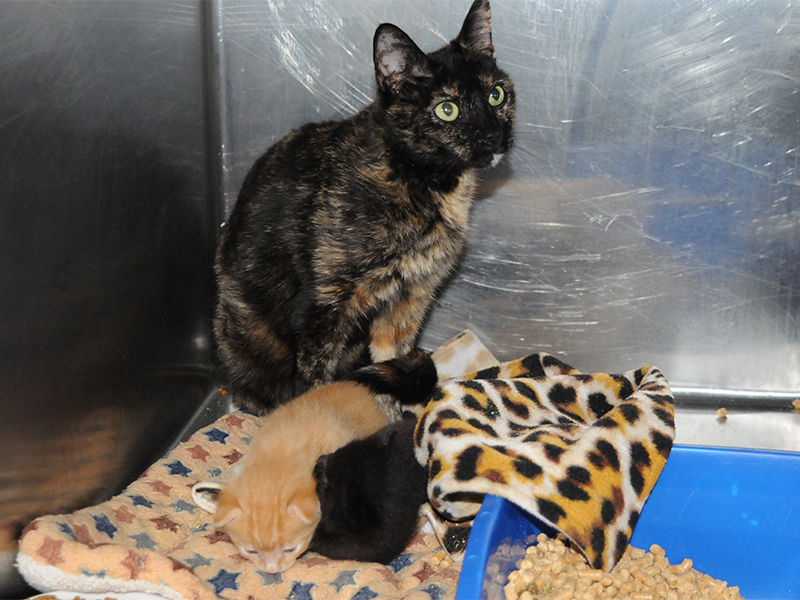
Spring is a time for cute baby kittens.
But unless there’s a plan for them, their lives will likely be short and harsh.
“I’m very concerned with the growth of Gilmer County,” Gilmer County Animal Shelter (GCAS) Director Kelly Pickering said. “The more population that comes in, the more animals are going to come in.”
Kitten season peaks between April and June.
Last June, the shelter had 142 cats, including those in foster care.
For animal shelters across the country, it can be a time of crisis as overwhelming numbers of kittens flood the shelter.
Each mother cat can have up to 10 kittens in a litter.
It’s not uncommon to see kittens out in the wild this time of year, Pickering said.
But if you do, you shouldn’t immediately take them to the shelter.
It’s likely their mother is nearby looking for food.
The best thing to do is to wait for several hours to try and get the mother cat and kittens together.
“It really increases their chance of survival if we can get Mama too,” Pickering said.
In this environment, it’s important to the shelter to get families interested in fostering animals.
Anyone interested in the program can contact foster@ellijaypaws.org for more details.
Anyone fostering an animal must be an animal lover 21 or older, provide a safe and stable home and take animals to care appointments. They must also have all their own animals vaccinated, spayed and neutered.
In this season, it’s especially important to find volunteers who know how to bottle feed kittens with missing mothers, Pickering said.
“Bottle feeders are so important to us,” she said.
The best thing most people can do for animals is to spay and neuter their own pets, Pickering said.
The more unwanted kittens there are, the harder it is for them all to get a home.
“We’ve got to stem the flow,” Pickering said.