
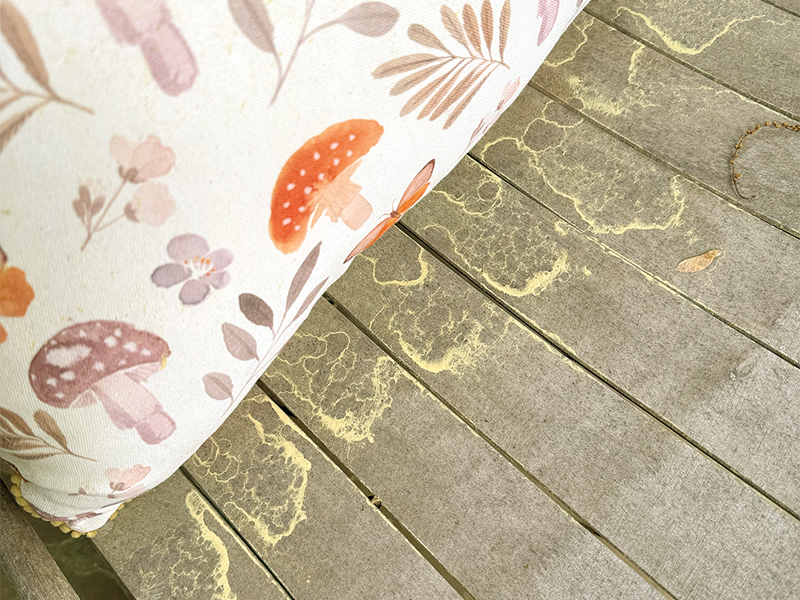

Spring is in the air, so is the pollen. Temperatures finally warming up can only mean one thing for those that suffer from allergies, annoying symptoms that more than a quarter of adults deal with, according to the Center for Disease Control and Prevention.
So far this spring, pollen counts are at an all-time high, evident by the thick layer of yellow dust coating every outdoor surface.
On March 29, Atlanta Allergy and Asthma claimed the 35-year-old record for the highest pollen count was shattered, reaching 14,801 grains per cubic meter of air. The previous record of 9,369 was set in March 2012. On the same date last year, the pollen count was just 1,646.
As we hit the peak of allergy season, the Times-Courier got some tips on surviving the rest of it from Dr. Vimal Patel, chief medical officer at Piedmont Mountainside in Jasper.
“Spring allergies encompass two basic categories, seasonal and perennial allergen-induced symptoms,” Patel said. “Susceptible individuals will often develop a stuffy nose, watery eyes and post-nasal drip, which may further aggravate respiratory conditions, such as asthma or COPD.”
Spending time outside can also be accompanied by sneezing, itchy eyes, dry cough, scratchy throat, ear congestion and occasional headaches. He added, “Allergens cause the immune system to act as if the allergen is harmful to the body, leading to symptoms.”
However, those affected by all the pollen don’t have to avoid outdoor activities altogether. Patel noted the best way to get through allergy season is prevention, by avoiding what triggers your allergies the most and taking antihistamines, like the over-the-counter medication Claritin.
To treat symptoms that are already impacting so many, he suggested trying steroid nasal sprays, like fluticasone, for a stuffy nose or post-nasal drip. Nose rinses are also a good, non-medicinal approach to treating symptoms.
When asked what those who work outside all day should do, Patel said, “Use nose rinses, take a shower after work to rinse off pollen and wear a dust mask if able.”
If someone has allergy symptoms year-round, he said to consider following up with their doctor about allergy testing.
Visiting an allergy doctor is also recommended if over-the-counter medications and treatments aren’t effective, where allergy shots could be an option.
If allergies are causing a fever or if their mucus is green or yellow in color, they should see their doctor to be evaluated for an infection.
For next spring, Patel recommends starting antihistamines, like cetirizine or fexofenadine, a week or two before the start of allergy season to prevent as many symptoms as possible.