
This event will save lives
The decisions you make on April 11 between 10 a.m. and 4 p.m. can mean life or death for others.
That’s because Gilmer Fire and Rescue (GFR) is hosting its first blood drive in cooperation with the Georgia Trauma Foundation and Piedmont Healthcare.
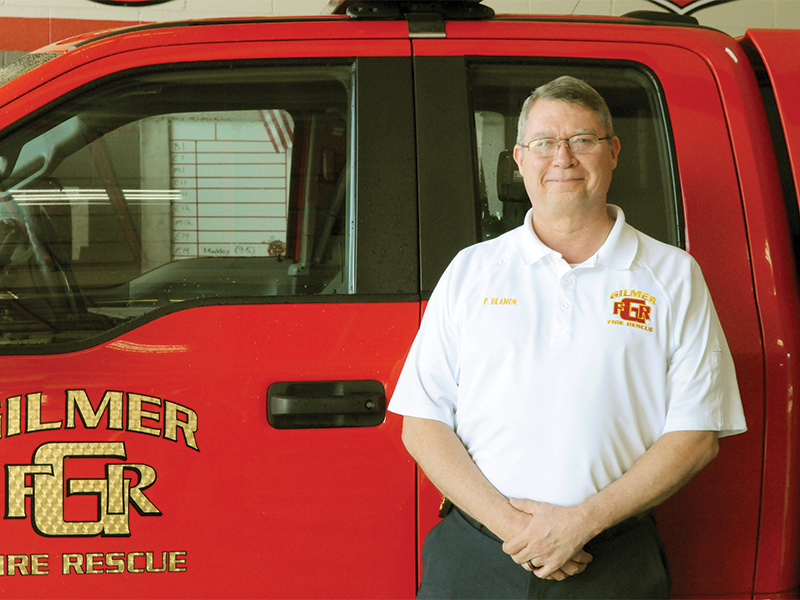
“We want to see as many of the community to help as possible,” Emergency Medical Services (EMS) Division Fire Chief Paul Beamon said.
It’s not difficult to give blood. All you need to do to save a life is answer a few screening questions, get poked with a needle, and wait for a few minutes. The actual donation lasts just a few minutes.
“It’s a quick stick,” he said. “Sometimes it doesn’t hurt at all.”
The blood drive will take place at 1561 South Main St. in Ellijay.
If they meet the right blood drive criteria, anyone can register online to donate at donors.lifesouth.org/donor/schedules/drive_schedule/898626.
The drive will collect blood for GFR’s new blood bank partner, LifeSouth Community Blood Centers. In return, GFR will receive a credit for future blood use. The blood will also benefit Pickens and Fannin County emergency services.
“It keeps our supply so that when we need blood, their supply is at par enough to where we’d be able to get it,” Beamon said.
Because it’s the first of its kind, the event will be a celebration.
“It’s going to be nice,” he said.
Donors will get vouchers for free food from caterers at the event.
When you get to the event, there will be many exciting events to see.
Pickens County and Gilmer County will have their emergency helicopters there as well.
Several state officials also plan to attend.
Those working at GFR are “very excited” about the supply of lifesaving blood, he said.
Beamon hopes that at least 30 people will participate. But the bigger the drive, the better for people in need.
“They could be donating blood that one day could be giving right back to them,” he said.
After this one, there will be many more future blood drives.
The grants for GCF’s blood program in Gilmer, Fannin and Pickens is originally meant to support it for 12 months. But even now, it’s clear that supplying local emergency vehicles with blood is a long-term plan.
“We are certain that it’s going to go for many years to come,” Beamon said.