
Drought could lead to smoky conditions like fall of 2016
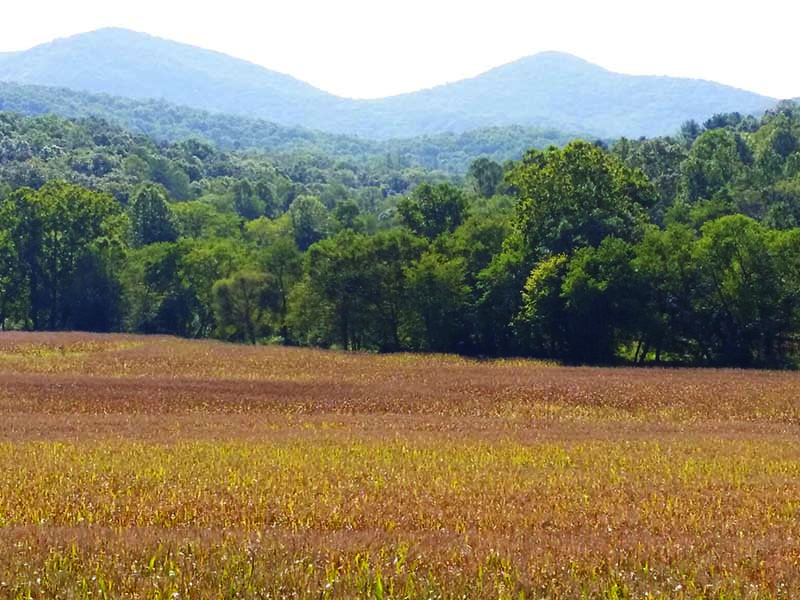
Three years ago this fall, a drought not seen in the Southern Appalachians for around 20 years burned thousands upon thousands of acres of woodlands, destroyed property and left residents seeking protection from smoke if they ventured outside. Two-thirds of the nearby Cohutta Wilderness Area was burned despite the efforts of firefighters flown in from around the country.
A local official who has been studying the increasingly dry conditions in the mountains stated last week, “We’re getting ready for another fall fire season like we had in 2016.”
“We had a district meeting (last week) where some of the chiefs got together and we talked about it. We’re in the same pattern and we’re setting ourselves up for kinda the same scenario we had in ‘16 — if it keeps going the way it’s going,” said Chief Ranger Austin Roland of the Gilmer-Pickens District of the Georgia Forestry Commision.
Chief rangers and area fire management officers are holding weekly briefings, he noted.
“We’re all on our toes … we’re actually going to start upping our staff level,” Roland said. “The U.S. Forest Service is going to have some ‘hot shot’ crews coming in the area. They’ll be staged in, as well as some veteran crews that are going to be available to us if we do have a fire. We’ll be working in conjunction with them.”
The commission is responsible for issuing burn permits — which are mandatory for outdoor burning — and is monitoring burn conditions each day.
“We’re looking to see if we’re going to issue (burn) permits,” Roland continued. “Going into Oct. 1, if these dry conditions persist, we’re going to probably have to cut some of the permits off … so that’s kinda what we’re looking at.”
Patrick Core, chief meteorologist for WDEF-TV Channel 12 in Chattanooga, was asked if dry conditions were approximating 2016.
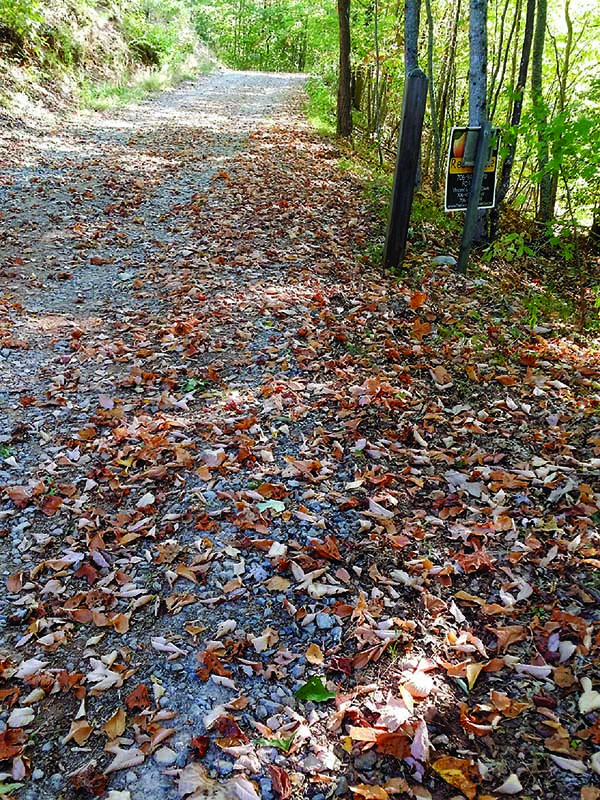
“We’re not there yet, but the fire danger is going up by the day,” he said in a telephone interview. “I think with the leaf drop we’re already seeing, it’s going to be worse before it gets better because the next 30 to 40 days are going to be drier. But the leaf drop is probably more because of the heat stress than it is the drought. September could go down as our hottest September on record.”
Any rain relief in sight?
“I’m looking at the short term and don’t see any — these fronts are coming through dry,” Core pointed out of systems bringing in slightly cooler weather. “I don’t see anything that’s going to help us out. These fronts in the fall can sometimes give you a little narrow band of showers, but that’s not going to be nearly enough.
“One thing we could actually use is some tropical moisture, and the tropical storms and hurricances have been well to our east and west … we’re right in the middle and high pressure has dominated, so we haven’t had any tropical help this year. Unless something comes in out of the tropics in the next 30-40 days, I don’t think these little fronts are going to help out any in this mini-drought that we’re in.”
On a positive note, he said Gilmer County apples “should be sweet” this fall with all the dry weather. Core has an extended discussion each morning except Sunday at Tri-State Weather Network on Facebook.
Violaters could be sited
Roland said many residents are simply unaware of burning conditions.
“A lot of people think if it’s not raining, it’s OK,” he said.
Gilmer Public Safety Chief Keith Kucera put together a conference call last week with his fire Chief Daniel Kauffman and Deputy Chief Mark Chastain.
“We’re obviously keeping an eye on the weather with our Forestry Commission and (U.S.) Forest Service friends, and our National Weather Service, keeping in touch with them on a daily basis,” Kucera said. “We’re looking to see what the humidity levels are, and are really concerned about the leaves that are considered ‘fire load’ on the ground.”
What precautions should residents take?
Chastain said one of the “big things” is getting a burn permit.
“Folks burning outside the permitted regulations are subject to citations,” he warned. “One of the things we’re concerned about right now is the fuel moisture content in the duff, or in the fuel load, that’s on the ground. And that’s starting to get really low. Once that (moisture content) starts to get really low, along with the low humidity that we’re having, that sucks even more of the moisture out of the fuel load that’s on the ground. It increases our fire danger.”
Chastain said Roland will send Gilmer Fire a “heads up” when burn permits are suspended.
“So we’re putting crews on caution,” Chastain echoed. “We’re kinda on standby … we tell our crews every day to make sure their tools and equipment are ready to go, that their forestry gear is on hand.”
Fortunately, Kauffman said wildfires haven’t yet been a frequent emergency call.
“Currently, there’s been only a couple of small grass fires, but no increase in calls for grass fires or wildfires,” he said, adding that the fires were not caused by people but power line issues.
Be ‘Firewise’ around your home
Chastain said homeowners should take “structural protection” of their residences into consideration immediately by adhering to the Firewise (firewise.org) program.
“Keep the leaves blown away from houses, and don’t have any of the leaves that act as duff, the really dry stuff, underneath houses and porches,” he advised. “In October and November, the humidity will drop, and people will start building fires in their fireplaces. I want to stress to people that they need to make sure their chimneys and flues are cleaned out. The outside fireplaces at many of our rental cabins, they have a tendency to not maintain those as well as the ones attached to the house …
“When they start building fires in their fireplaces, they need to have a designated place to dump their ashes out. Just don’t take them out and dump them in the woods, and make sure they wet those down if they’re dumped out. Ashes can lay in the woods for hours before a wind might pick up and spread embers into dry leaves and start a fire.”
Kucera said the Firewise program is available for any communities that are interested.
“We’re glad to come out out and speak to civic clubs or homeowners’ associations or neighborhood groups,” he said. “We really like to push that, and folks can reach out to the fire department here and let us know if they’re having a community meeting in their development. We’d love to do that, and the sooner the better. Public education is the biggest thing about wildfire danger. We do that in conjunction with our Forestry Commission folks.”
Roland said his men and equipment are “ready to roll and on standby, just waiting on it to happen.”
“It’s not ‘if’ it’s going to happen — it’s ‘when and where’ … we’re praying for rain,” he said.
Use extreme caution with burns
Escaped burning debris is the number one cause of wildfires in Georgia. We ask residents and landowners to use extreme care when conducting outdoor burning, and want to remind the public that as we continue to celebrate Smokey Bear’s 75th birthday this year, humans cause nine out of 10 wildfires in our nation.
The south leads the nation annually in numbers of wildfires. Readers can learn more by visiting smokeybear.com.
Homeowners can help to reduce the threat of damage to their homes by using tips provided by the national Firewise program. Be sure to have leaves and debris cleaned out around homes. The firewise.org website shows how simple things can make a big difference.
Those desiring to burn outside need to call 1-877-OK2-BURN for any yard debris burning.
Source: Georgia Forestry Commission