
Gilmer County Animal Shelter
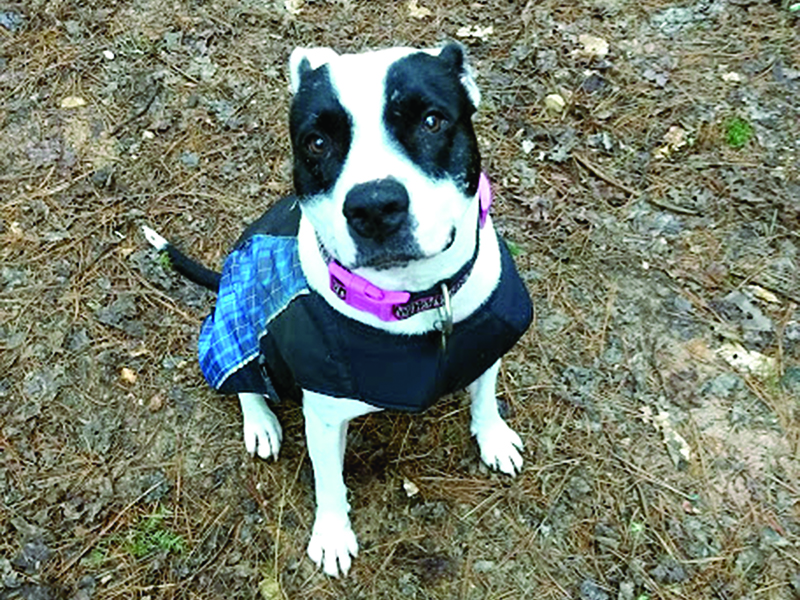
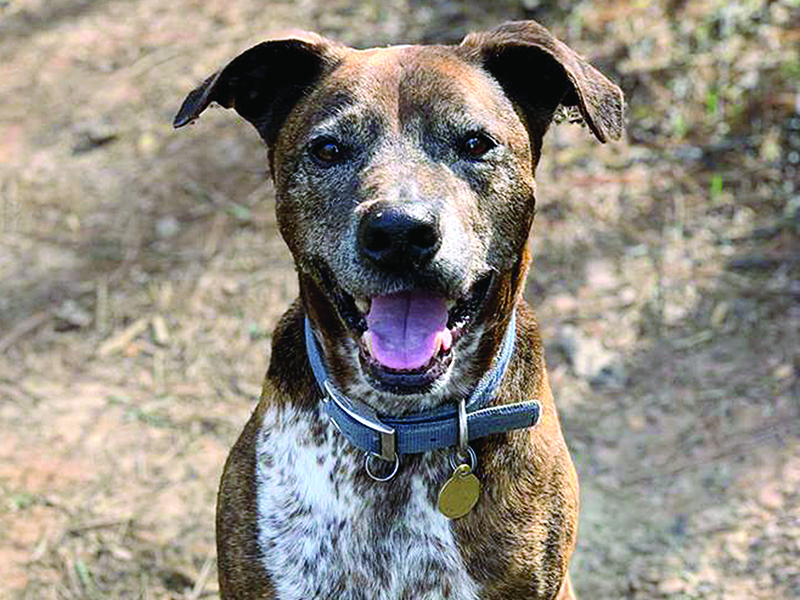
Over the last few years, the Gilmer County Animal Shelter has seen both a dramatic decrease in its euthanasia rates and an increase in the number of adopted dogs and cats.
“We are saving animals left and right,” shared shelter director Daniel Laukka, who reported the facility achieved a no-kill shelter designation for both dogs and cats in 2018.
“From the moment that I took over at the end of 2014, the goal was to get to a no-kill status,” Laukka shared. “To achieve no-kill status is a really, really huge accomplishment ... Georgia’s one of the higher kill states in the U.S. when it comes to euthanasia of dogs and cats ... To be considered no-kill you have to have under a 10 percent euthanasia rate. That up to 10 percent euthanasia rate will cover your sick, your unadoptables, your aggressives and things like that. We’ve been able to achieve the dog no-kill status for going on five years now, but the cats were a tough one. When I took over, the cat euthanasia rate was close to 70 percent. We were averaging (an intake of) about 800 to 900 cats every year, so to bring those numbers down over the years was going to be the challenge.”
During his first year as director, the cat euthanasia rate dropped from 73 percent to 39 percent, and it kept falling. Laukka reported in 2018 it was at last around 5 percent, well below the no-kill status mark.
“We even took in more cats last year than ever before. We took in over 1,100 cats last year. Achieving that no-kill status while taking in two to three hundred more cats than the year before was another challenge that we were glad to accomplish,” he added.
No-kill status is determined on an annual basis, but Laukka is optimistic about the current calendar year.
“We’ve started out even better than we did in 2018, so it’s looking like we’ll have a no-kill status for 2019 too when it’s all said and done,” he said.
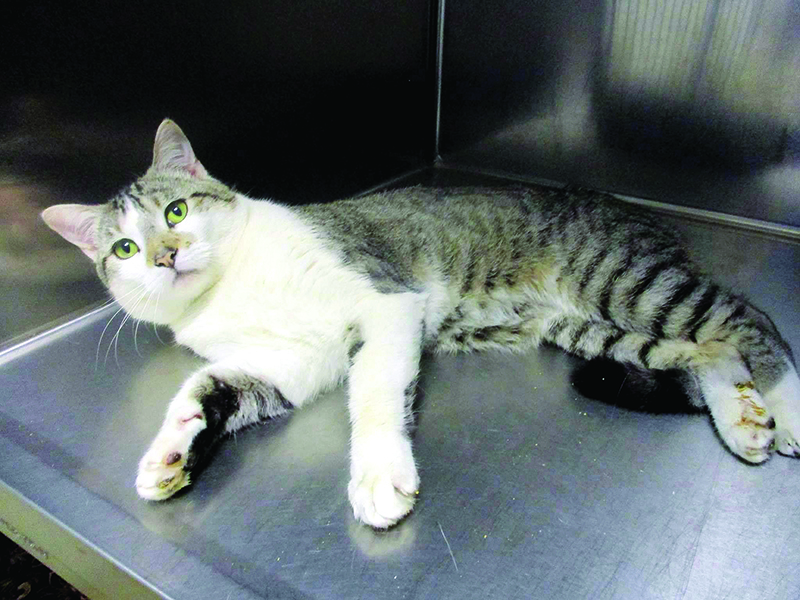
When asked to describe what has made the difference in turning the shelter’s statistics around, he pointed to partnerships with rescue groups and regularly transporting animals to other states where there is a greater demand for adoptable pets.
Nearly a year and a half ago, the Gilmer County Board of Commissioners approved the purchase of a cargo van designed for transporting animals. The vehicle has given the shelter increased flexibility and the opportunity to transport more dogs and cats to families out of state.
Laukka described the vehicle as “a huge difference-maker for us.”
He continued, “Having a transport van is huge when it comes to rescuing animals. When you’re able to load up 10, 15, 20, sometimes 30 (animals) at one time and transport them a few hours away, it just makes a huge difference.”
The vehicle makes trips to both Minnesota and Wisconsin about once a month and will soon add a route to Florida as well.
“We got the van at the end of 2017 in December, and we already have over 75,000 miles on it,” he reported.
While the strategy of moving animals cross-country requires a lot of networking, travel and hours, Laukka said it’s worth every mile to save more animals. Speaking of how “it takes a village” to achieve the no-kill status, the shelter director expressed appreciation for “great volunteers” with the nonprofit Friends of Gilmer Animal Shelter (FOGAS), partnerships with other rescue organizations, county leadership and the community at large. Noting that holding animals for transports can mean the facility gets fuller and even more hectic than normal, he then thanked his staff for their consistent hard work.
“Once the transport leaves, we have empty runs and empty cages, and everybody is happy and we’re rewarded for our efforts,” he observed.
Laukka concluded by encouraging Gilmer residents to have their pets spayed and neutered to help prevent pet overpopulation in the community.
“It’s just an endless cycle that can be fixed. There are so many options now to get cheaper spay/neuter (procedures),” he said, noting how FOGAS periodically provides discounted spay/neuter certificates. Learn more on the group’s Facebook page.
He also urged citizens who are missing a pet to call the shelter at 706-635-2166 and emphasized the importance of making sure animals are properly tagged and microchipped.