
Decades of missed dam maintenance are killing the trout
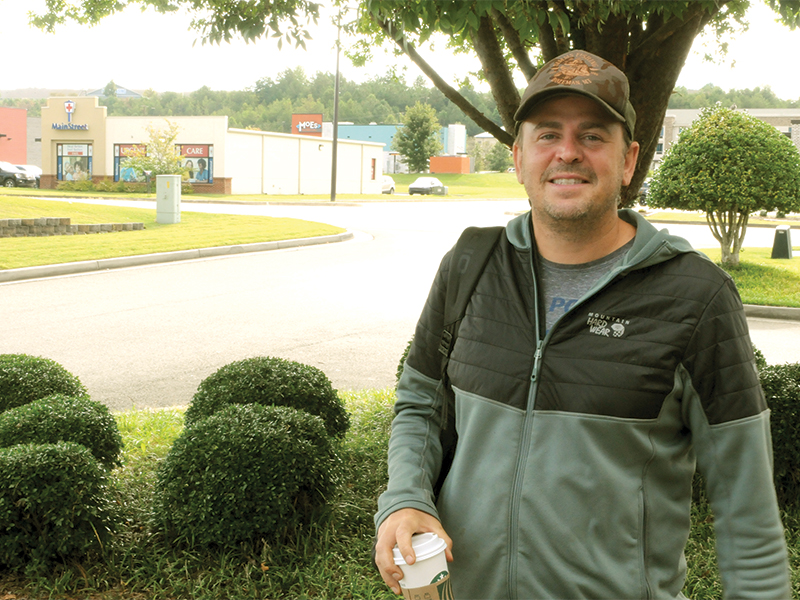
There was a time when the best trout fishing in Gilmer County was behind the Pilgrim’s chicken plant.
Trout would feast on the meat scraps the company threw into the water, and grow massive.
But today, there’s hardly anything to catch there, avid trout fisherman and Trout Unlimited member Charles Henniger said. The same is true of many other former trout streams.
“I started talking to old-timers that have lived here forever,” he said. “They said this used to be a great fishing spot.”
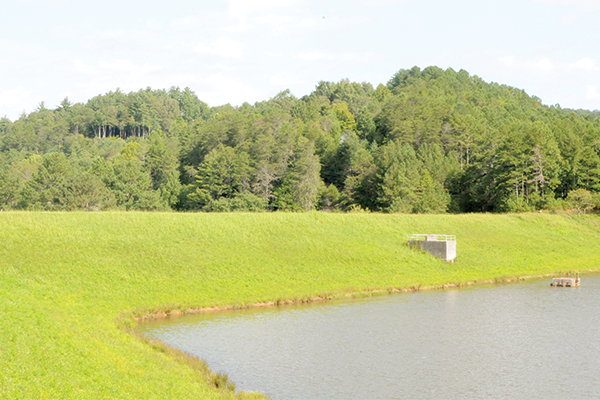
Trout die-offs are because Gilmer’s water temperature has slowly but imperceptibly risen as dams built decades ago have deteriorated, Henniger said. And the solution is surprisingly simple.
Clear the cold water bypasses in local dams, and the trout will return, he said.
“Once I realized [the dams] already had a cold water bypass, it became common sense.”
The current problem traces its roots more than 50 years back, Henniger said.
At that time, the U.S. Department of Agriculture (USDA) built a series of dams across Gilmer County to control flooding.
But the dams created a potential problem. When water rests at the top of a lake, the sun heats it up to higher temperatures that it would reach while flowing in a river.
These temperatures lower the oxygen levels in water, making it hard for trout to breathe. Trout do badly in water temperatures above 67 degrees.
Water in Boardtown Creek has been as high as 80 degrees Fahrenheit in 2025, statistics collected by Henniger show.
“They either die or get eaten because they’re so slow and lethargic,” Henniger said.
If most of Gilmer’s waterways have warm water, trout will die off each year during summer months.
It’s likely that trout die-offs from this issue have potentially lost Gilmer tens of millions in tourism money, Henniger said.
To prevent this problem, the USDA built the dams with cold water bypasses. These structures make sure that cold water from the bottom of a lake flows out from a dam’s gates or spillways.
The dam problem comes from the fact that these cold water bypasses haven’t been maintained since their creation, Henniger said.
Over the years, the cold water bypasses in these dams have clogged because everyone forgot they existed, he said.
“I don’t blame it on anybody,” Henniger said. “You probably don’t even notice because it’s just a slow burn.”
As cold water bypasses clog, temperatures rise so slowly that people barely notice year to year, Henniger said.
The cold water bypasses already exist, he said. Therefore, it’s likely that cleaning each one would cost between $5,000 and $20,000.
“All you have to do is get in there, blow it out, and you’re good to go,” Henniger said. “The hard part’s over. They just have to get somebody in with know-how to fix it.”