
The path to sobriety begins with addressing trauma
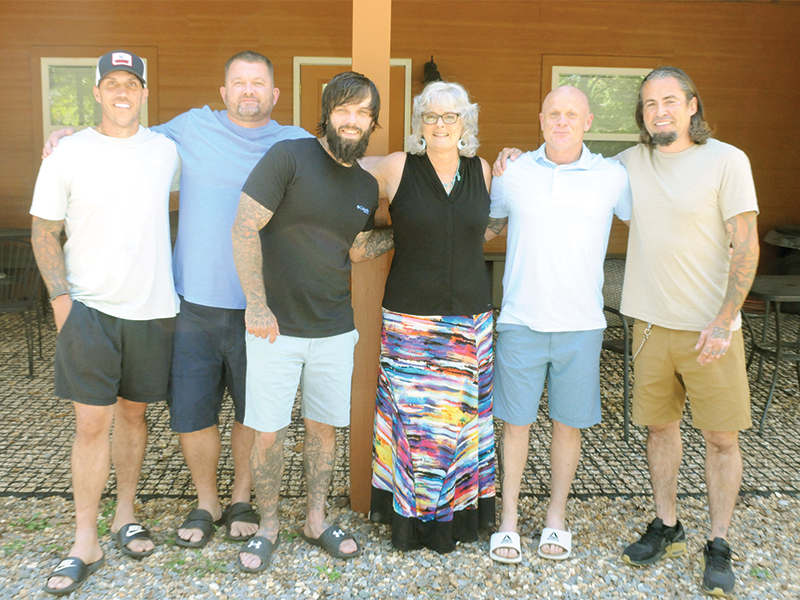
Sally Jeffery knows about addiction because her husband Ed was a cocaine addict.
“Addiction doesn’t care who you are,” she said.
While she was living in Florida, she started attending his Cocaine Anonymous 12-Step Program support group to find out how addiction affects people.
“I came to love the addict and the alcoholic,” Jeffery said. “I came to see them the way that God sees them, as beautiful, kind, generous, loving, broken, suffering people.”
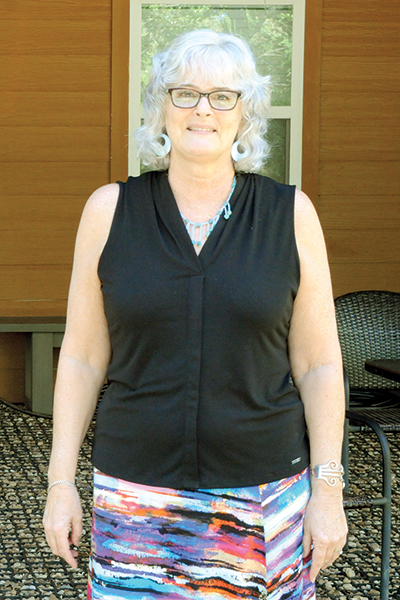
Jeffery, a Christian, learned that the recovering addicts in the meetings didn’t understand the grace and love God has for them.
“My husband and I sat on a park bench and just cried, because nobody knew who the Lord was,” she said.
Although 12-Step Programs encourage participants to commit their lives to “God, as we understand him,” it doesn’t point them toward anything more particular than this idea.
For instance, an atheist participant might interpret “God” to mean the moral consensus of his culture.
Jeffery wanted to create a program that helped connect addicts with her and her husband’s Christian faith.
She decided to open her own 12-step Program that would “bridge the gap” between the “God as you understand him” of Alcoholics Anonymous and Jesus Christ.
This idea was the start of Isaiah House. Today, it is a Christian ministry that provides a transitional home for men integrating back into society after drug addiction. Jeffery is its executive director.
Its current facilities can house 20 men.
When Jeffery and her husband moved to Ellijay, they prayed for a location to open a ministry. Then, a man offered to sell them a property he wanted to use for “something good.”
This home, on Old Hwy. 5 in Ellijay, would become a place for recovering addicts to live as they reenter society.
“The recovery community here is strong and good,” she said.
To enter the program, men must write an essay on why they want to recover and pay a $500 entry fee. Each week, they pay $240 in expenses.
Those concerned about money can talk with Jeffery about ways to pay.
The Isaiah House program is open to men between 25 and 55. There are several other requirements as well.
Isaiah House attendees work in a day labor program, learn how to manage their finances, go to 12-Step Programs and receive counseling.
While living at Isaiah House, men in the program learn to confront the roots of addiction.
Often, trauma and abuse are part of the reason people become addicts.
After these sufferings, harmful drugs feel like a relief, Jeffery said.
“Then before they know it, they have an addiction,” she said.
They also learn to start focusing on others. Addicts in a 12-Step Program make amends to those hurt by their behavior by apologizing, paying back stolen money and other actions.
“Learning to make amends to other people is brave,” she said. “It’s not just, ‘I’m sorry.’”
These actions teach recovering addicts how to care about other people. When in the throes of addiction, addicts become selfish.
“The opposite of addiction is connection,” Jeffery said.
While in Isaiah House, the men form close friendships.
“When I’m sitting in the dining room, I’m not thinking, ‘I’m sitting with 20 addicts and alcoholics,’” she said. “I’m sitting with 20 cool guys.”
People who want to donate to or enroll in Isaiah House can find out more at isaiahhousega.com.
“I’ve seen permanently broken family relationships be mended. I’ve seen men gain new careers. I see men who now serve the recovery community, and they help other people get sober,” Jeffery said.