
Their descendants are still grateful
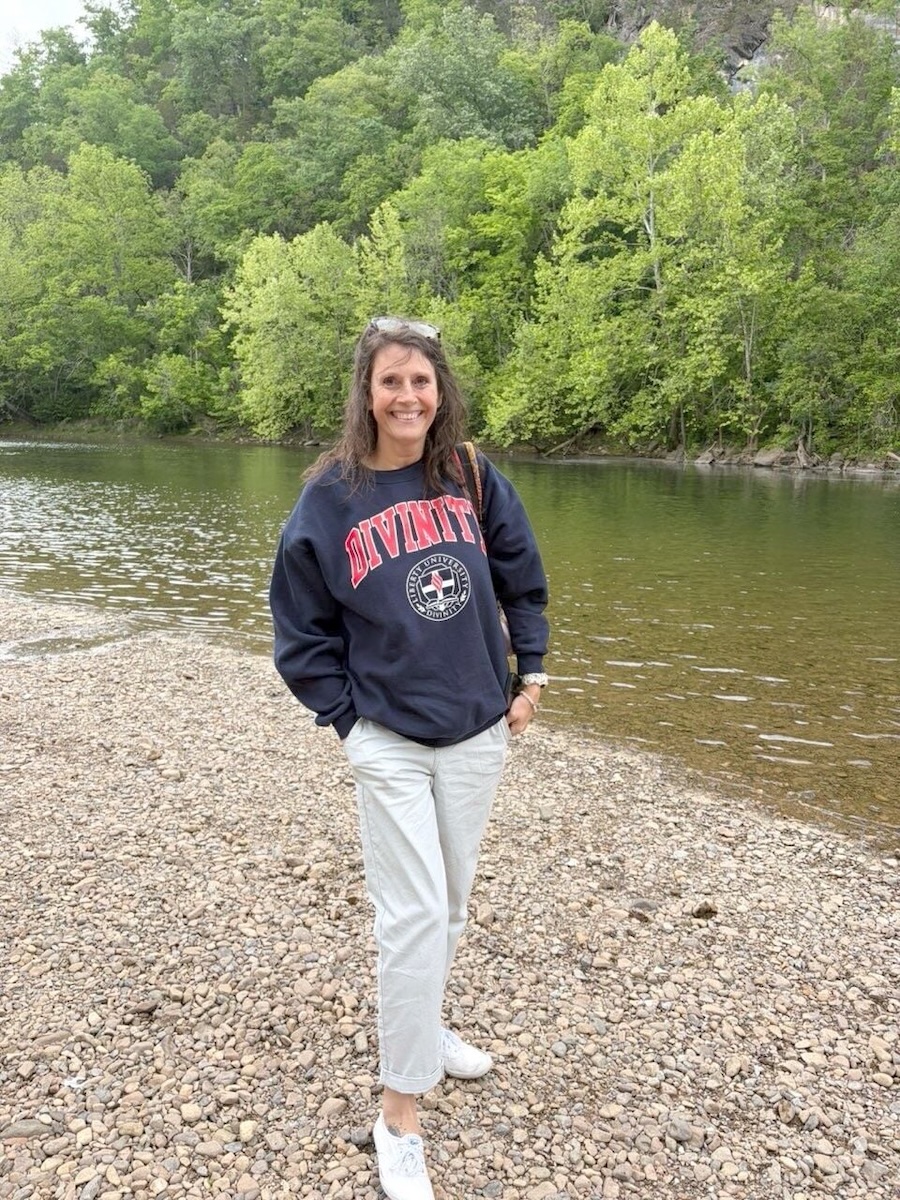
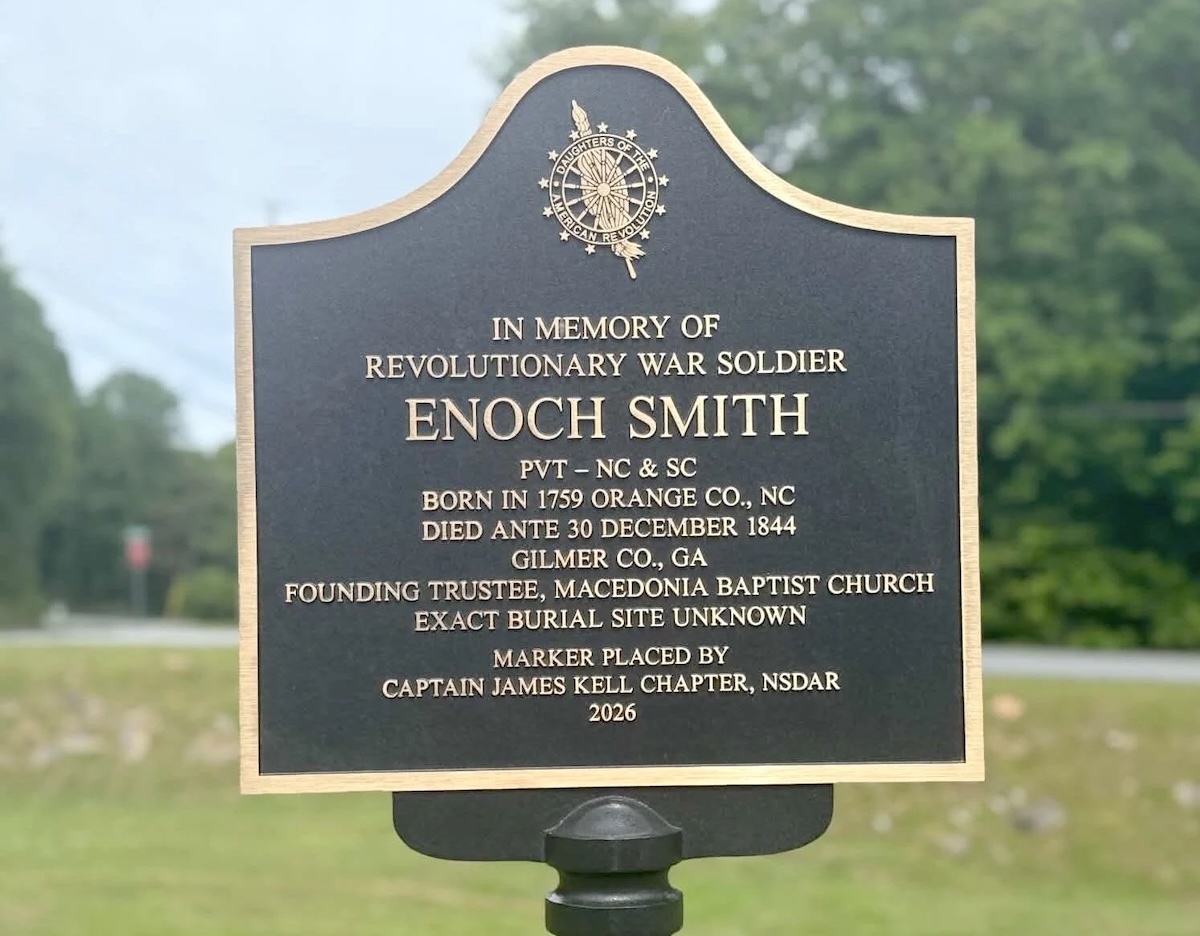
When Private Enoch Smith died in 1844, he left seven tools, some land, a jar, some containers, two cows, three pieces of furniture, some corn, a Bible, two books and a free country to his descendants.
We don’t know what became of Smith’s property, but Rachel Martin is still enjoying the United States of America her ancestor fought for in 1776.
Finding out was “a great blessing and an honor,” she said. “I come from a line of brave people, who fought against all odds.”
Smith is Martin’s great-great-great-great-great-grandfather.
Seven generations is a long time. Few people can name their ancestors from that long ago. But looking into family history can reveal remarkable stories.
Martin started her journey with the Ancestry app, eventually using the Gilmer County Library and other historical research.
Finding out she was a descendant of a Gilmer American Revolutionary War veteran was a surprise.
“I don’t remember the specific day,” Martin said. “But anytime that you stumble across an ancestor that has had such an impact in the founding of the United States is such an honor.”
Today, she feels a sense of pride that her ancestors left their homes, crossed the Atlantic and fought to create the United States.
“It’s just very overwhelming and humbling,” she said. “This came to be through God and our ancestors.”
In her research, Martin learned that Smith lived in Surrey County, North Carolina; was drafted into the United States Army in 1776; served under the command of Captain Richard Good; fought Tory partisans with the Virginia Corps and started receiving a pension in 1834.
In his will, Smith’s handwriting is straight, neat and elegant.
Smith died in Gilmer County in 1844.
He was also far from the only amazing find. Martin’s relatives include two Irish brothers who were deported to Barbados on a slave ship but escaped to freedom in Virginia, President Zachary Taylor and the Powhatan princess Pocahontas.
“I’ve just found all kinds of very interesting things,” she said.
After learning more about her heritage, Martin has shared the history with her family, so it won’t be forgotten.
“I want to make sure that I tell my children, so they can tell their children,” she said. “We have no idea that 60 years from now, maybe one of our great-grandchildren may be looking for information on us.”
It took her years to find Smith.
Since then, she has worked to trace out as many lines as she can.
“I just have so much respect and gratitude for all of my ancestors who made that difficult journey,” Martin said. “Whether they were fighting in the wars or were the wives at home, everyone made a big sacrifice for the freedom that we have today.”